
Appearance
Interceptors and Proxies: Diagrams
Diagrams for the concepts introduced in Interceptors and Proxies.
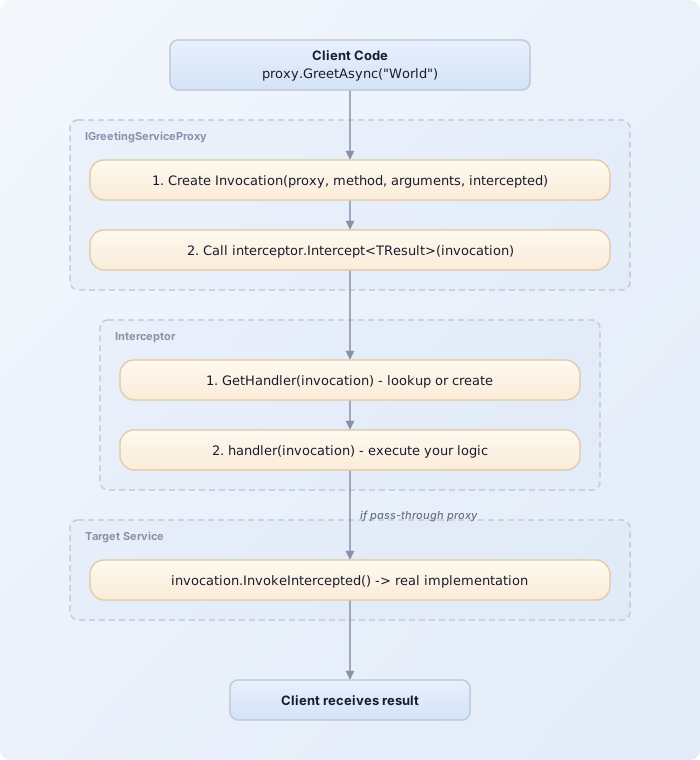
Proxy Call Flow
How a method call flows through the proxy system:
Proxy Generation at Compile Time

Proxy Type Hierarchy

Generated Proxy Fields
| Field | Type | Purpose |
|---|---|---|
__interceptor | Interceptor | The interceptor instance |
__cachedIntercepted0 | Func<ArgumentList, Task<string>> | Cached delegate to target |
__cachedIntercept0 | Func<Invocation, Task<string>> | Cached intercept delegate |
ProxyTarget | object? | Real service (from InterfaceProxy) |
Invocation Structure
| Field | Description |
|---|---|
Proxy | The proxy instance (e.g., IGreetingServiceProxy) |
Method | MethodInfo of the called method |
Arguments | ArgumentList containing method arguments |
InterceptedDelegate | Delegate to call the real implementation (for pass-through) |
InterfaceProxyTarget | The real service instance |
ArgumentList Variants
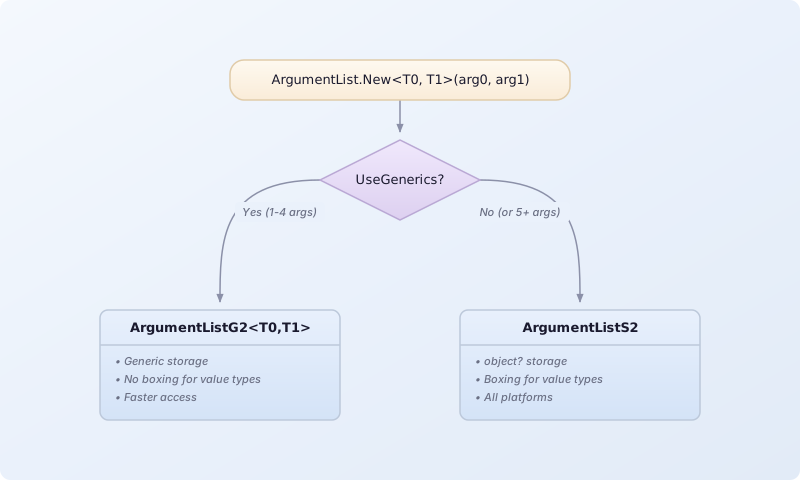
| Count | Generic Type | Simple Type |
|---|---|---|
| 0 | ArgumentList0 | ArgumentList0 |
| 1 | ArgumentListG1<> | ArgumentListS1 |
| 2 | ArgumentListG2<,> | ArgumentListS2 |
| 3 | ArgumentListG3<,,> | ArgumentListS3 |
| 4 | ArgumentListG4<,,,> | ArgumentListS4 |
| 5-10 | (uses Simple) | ArgumentListS5-S10 |
ArgumentList Methods
| Method | Description |
|---|---|
.Get<T>(index) | Get argument at index |
.GetCancellationToken(index) | Get cancellation token |
.Set<T>(index, val) | Set argument value |
.Length | Number of arguments |
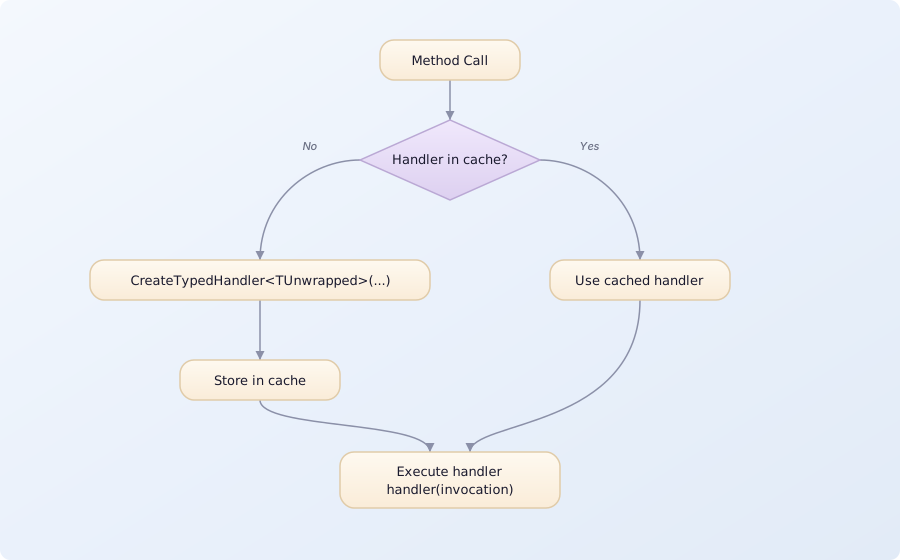
Handler Caching
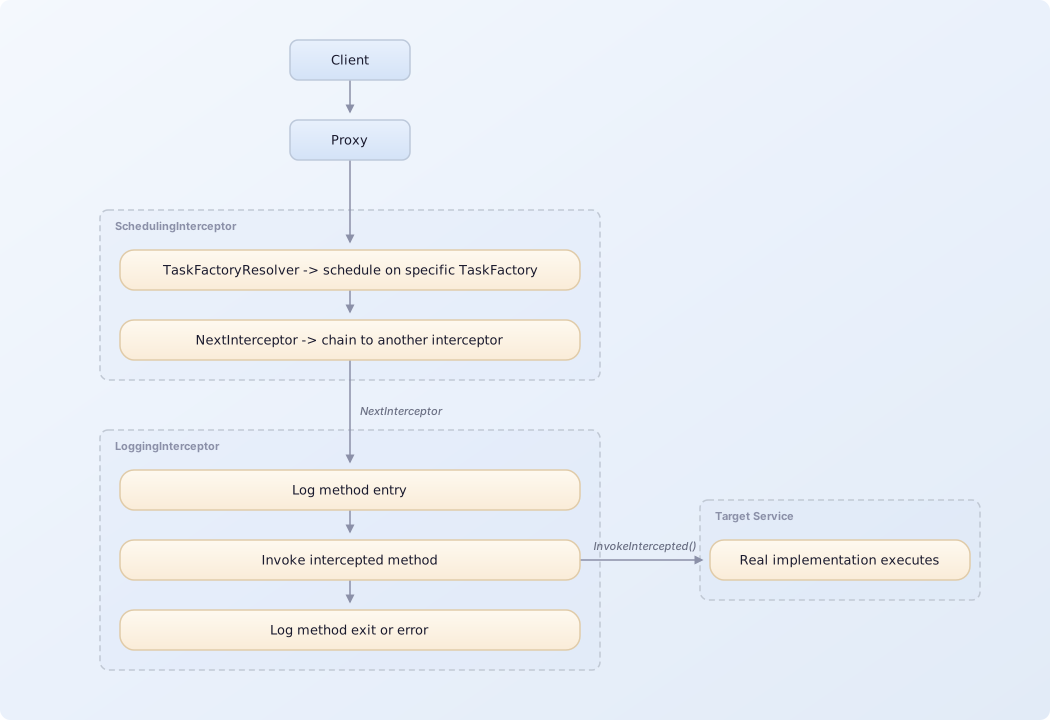
Interceptor Chain
Multiple interceptors can be chained together:
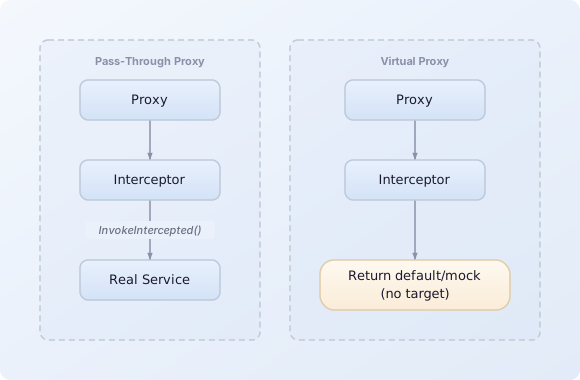
Pass-Through vs Virtual Proxy
| Aspect | Pass-Through Proxy | Virtual Proxy |
|---|---|---|
| Creation | Proxies.New(typeof(IService), interceptor, proxyTarget: realService) | Proxies.New(typeof(IService), interceptor) |
| ProxyTarget | != null | == null |
| Flow | Proxy → Interceptor → InvokeIntercepted() → Real Service | Proxy → Interceptor → Return default/mock |
| Use cases | Logging, Metrics, Caching, Retry logic | Mocking/Stubs, Default values, RPC client proxies, Lazy initialization |
Typed vs Untyped Handlers
| Aspect | Typed Handlers (Default) | Untyped Handlers |
|---|---|---|
| Method | CreateTypedHandler<TUnwrapped>(invocation, methodDef) | CreateUntypedHandler(invocation, methodDef) |
| Setup | Default behavior | UsesUntypedHandlers = true in constructor |
| Return type | TUnwrapped (e.g., string for Task<string>) | object? |
| Performance | One handler instantiation per unique return type | No generic instantiation overhead |
| Use case | Most use cases | ComputeServiceInterceptor for max performance |
MethodDef Key Properties
For Task<string> GreetAsync(string name, CancellationToken ct):
| Property | Value |
|---|---|
MethodInfo | GreetAsync |
FullName | "MyNamespace.IGreetingService.GreetAsync" |
ReturnType | typeof(Task<string>) |
UnwrappedReturnType | typeof(string) |
IsAsyncMethod | true |
ReturnsTask | true |
ReturnsValueTask | false |
IsAsyncVoidMethod | false |
CancellationTokenIndex | 1 |
Parameters | [name: string, ct: CancellationToken] |
Helper Methods
| Method | Description |
|---|---|
DefaultResult | Completed Task with default(T) |
WrapResult(value) | Task.FromResult(value) |
WrapAsyncInvokerResult(task) | Proper Task<T> or ValueTask<T> |
InterceptedAsyncInvoker | Func<Invocation, Task<T>> |
TargetAsyncInvoker | Func<object, Args, Task<T>> |
See Also
- Interceptors and Proxies - Main documentation
- ArgumentList API - Working with method arguments
- Proxy Generation - Source generator details
- Built-in Interceptors - Ready-to-use interceptors
- Cheat Sheet - Quick reference